
- -30%
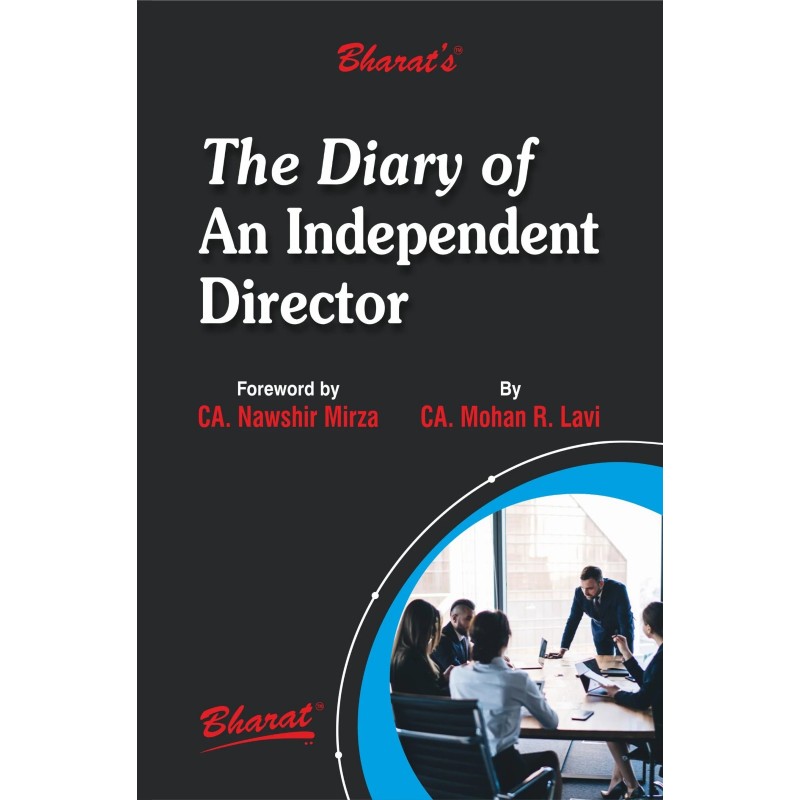
The Diary of An Independent Director Mohan R Lavi & Nawshir Mirza Edition 2026
The book offers a perceptive analysis of the distinctive dynamics of Indian boardrooms, shaped as they are by cultural norms and the influence of promoter-directors. Its insights are consistently thoughtful and often profound. Particularly valuable is the framework of thirty reflective questions that enables independent directors to assess their own effectiveness and conduct. The author’s observations are not merely the product of experience; they reveal a rare capacity for careful observation and honest self-reflection. The book repeatedly stresses the importance of diligence (and of being able to demonstrate it if asked) as both, a duty of directorship as well as the only shield against a claim of negligence when governance fails. The concluding chapters of this section address two subjects that concern every independent director: liability and remuneration. On liability, Mohan candidly presents the Indian experience, leaving readers to decide for themselves whether board service is a risk they are prepared to assume. His discussion of directors’ remuneration is equally balanced, examining the issue from multiple perspectives before acknowledging that there is no universally satisfactory answer to what constitutes reasonable compensation
PART 1
DIARY OF AN INDEPENDENT DIRECTOR
Who is an Independent Director?
PART ONE: The Rule Book
(Or: What They Told Me Before They Let Me In)
Chapter 1 The Companies Act Speaks: Section 149 and Its Many Ambitions
Chapter 2 SEBI Joins the Party: LODR and the Listed Company Labyrinth
Chapter 3 The Fine Print Nobody Reads: MCA Circulars, IICA Registration, and the Data Bank
Chapter 4 Other Hats: RBI, IRDAI, SEBI-Regulated Entities, and the Art of Wearing Multiple Crowns
PART TWO: The Appointment
(Or: The Letter That Changes Everything)
Chapter 5 The Letter of Appointment: Reading Between the Lines
Chapter 6 The Induction That Wasn’t
PART THREE: In the Room Where it Happens
Chapter 7 The First Board Meeting: Baptism by Agenda
Chapter 8 The Audit Committee Convenes
Chapter 9 CSR: Conscience, Compliance, or Both?
Chapter 10 NRC: The Committee That Decides Who Decides
Chapter 11 A Storm in the Boardroom: Board Meeting II — The Acquisition Vote
PART FOUR: The Exits and the Lessons
Chapter 12 The Resignation Letter I Had to Write: On conscience, consequences, and the letter that cannot be unsent
Chapter 13 Liability, Litigation and the Long Shadow of NCLAT: On what happens when the regulator comes looking
Chapter 14 The Fee, the Conscience and the Mirror: On what independent directors are paid, what they are worth, and what the cheque costs
Chapter 15 10 Dos and 10 Don’ts for the Independent Director: Hard-won, imperfectly followed, offered
without apology
EPILOGUE: Independence is a Practice, Not a Certificate
PART 2
ALMANACK FOR INDEPENDENT DIRECTOR
Why this Part exists and who it is for
Chapter 16 The Mirror Before the Boardroom: On knowing yourself before you govern others
Chapter 17 The Seat You Occupy: On the nature of the independent director’s role
Chapter 18 The Art of Asking the Right Question: On inquiry as the director’s most powerful tool
Chapter 19 Reading the Room — and the Numbers: On financial literacy and the language of the boardroom
Chapter 20 The Promoter, the CEO, and You: On managing the most important relationships in the boardroom
Chapter 21 When the Room Goes Quiet: On dissent, disagreement, and the courage to stand alone
Chapter 22 Red Flags and the Art of Seeing them Early: On governance failures, warning signs, and your instincts
Chapter 23 Committees: Where the Real Work Happens: On audit, nomination, remuneration and risk committees
Chapter 24 The Minority Shareholder’s Silent Voice: On who you truly represent
Chapter 25 On Reputation, Liability and the Price of a Signature: On what you put at risk every time you sign
Chapter 26 When to Stay, When to Walk: On resignation as an act of governance
Chapter 27 Time, Tenure and the Trap of Familiarity: On the slow drift from independence to comfort
Chapter 28 The Board that Works and the Board that Doesn’t: On board culture, dynamics and collective wisdom
Chapter 29 Letters to a Young Independent Director: What you wish someone had told you before your first board meeting
Chapter 30 The Thirty Mirrors: What the governance failures had in common
Chapter 31 Governing in India: On the particular demands of independence in a promoter-led, relationship-saturated, and rapidly evolving governance landscape
Chapter 32 ESG and the New Accountability: On sustainability, stakeholder responsibility, and the governance of the company’s relationship with the world beyond its balance sheet
Appendices
Appendix 1 Schedule IV: Code for Independent Directors
Appendix 2 Key SEBI LODR Obligations for Independent Directors
Appendix 3 Part I: From Mumbai to Madras —
When Indian Directors Drew the Line
Appendix 4 Questions to be Asked before Accepting an Appointment as an Independent Director
Nawshir Mirza is a Fellow of the Institute of Chartered Accountants of India (qualifying in 1973) and a graduate in commerce from the University of Calcutta’s St. Xavier’s College. He is noted for his work towards improved governance in the corporate sector. He has spoken often at conferences on this subject and has designed for various professional and business associations programmes to prepare people for director roles. Nawshir was closely involved in the development of the Tata group’s governance guidelines.
Mohan R Lavi is a Chartered Accountant based out of Bangalore with more than 25 years of post-qualification experience in practice as well as industry. He now runs his own consulting firm in Bangalore which specializes in financial reporting under Ind AS/IFRS/US GAAP and Indirect taxes